How to Catch Northern Pike: Lures, Leaders & Proven Tactics
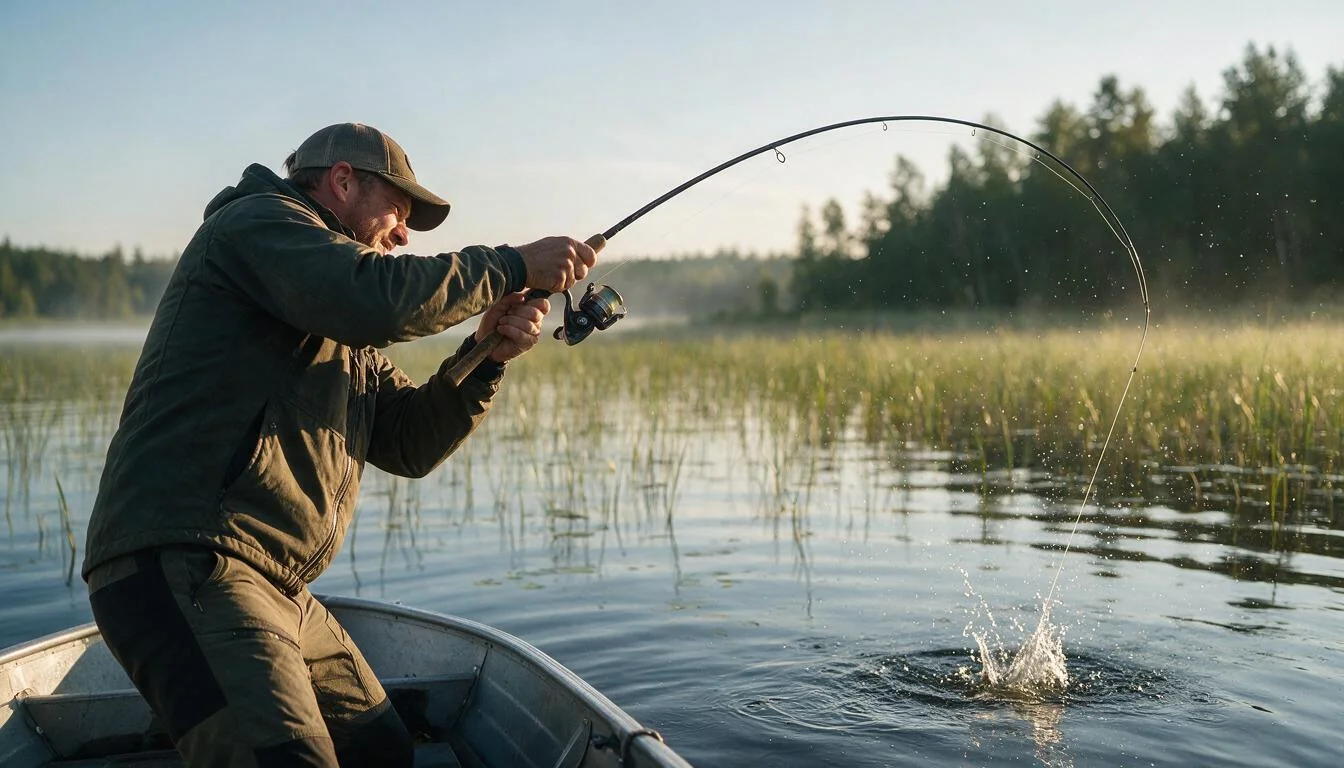
Learning how to catch northern pike is easier than most anglers expect.
Pike are aggressive ambush predators that hit hard and fight hard, and they live in thousands of lakes and rivers across the northern US.
The catch is in the details: the right lures, a wire leader that their teeth can't cut, and the patience to work weed edges slowly.
These northern pike fishing tips cover when to go, the gear that saves you from heartbreak, the best lures and baits, and the tactics that put pike in the boat — plus the mistakes that cost anglers their biggest fish. For identification and behavior background, start with our northern pike species guide.
When to Fish for Northern Pike: Spring & Fall Are Prime
Pike are catchable year-round — including through the ice — but two windows stand out:
| Season | Water Temp | What Pike Are Doing | Best Strategy |
|---|---|---|---|
| Spring | Low 40s to 60°F | Spawning, then a hungry post-spawn binge | Fish flooded weeds and shallow bays in 2-6 ft; best all-day action of the year |
| Summer | 70°F+ | Deep on weedlines (8-20 ft), sluggish by day | Fish dawn, dusk, and night; slow retrieves; target baitfish schools |
| Fall | 60s down to 40s°F | Feeding binge before winter | Best big-fish window — chase baitfish back into the shallows |
| Winter | Under ice | Still feeding, slower | Tip-ups with large minnows on weed flats and edges |
Best times of day: dawn and dusk, plus any overcast day. Pike are low-light hunters — bright midday sun pushes them deep and kills the bite. In spring's stained, cold water, they'll eat all day.
Weather edge: a warming trend after ice-out pulls pike shallow fast, and a falling barometer before a front often triggers a feeding spree. After a hard cold front, expect the bite to stall for a day or two.
Pike Fishing Gear: Rod, Reel, Line & the Wire Leader
Pike fishing gear doesn't need to be fancy — it needs to be strong, because a 40-inch pike hits like a freight train and fights with head-shakes that test every connection.
- Rod: 6.5-7.5 ft medium-heavy casting or spinning rod. You need backbone for big lures and big fish, plus enough tip to cast all day.
- Reel: baitcasting reel or a 3000-4000 size spinning reel — either works. The reel is less important than the line.
- Line: 30-50 lb braided main line. Braid resists a pike's abrasive mouth better than mono, and the no-stretch strength helps drive big treble hooks home.
- Leader: a 6-12 inch wire leader (steel or titanium) in 20-40 lb test. This is the one piece of pike fishing gear that is not optional — see the leader section below.
- Extras: long-nose pliers and a jaw spreader for hook removal, a rubber net or cradle for big fish, and gloves if you handle pike regularly.
One combo covers 95% of pike fishing: a medium-heavy rod, 40 lb braid, a wire leader, and a box of spoons and spinnerbaits. You don't need a boat — most spring and fall pike sit within casting distance of the bank.
If you already fish for bass, you own most of this gear: our largemouth bass guide runs through the same rod-and-reel fundamentals.
Best Pike Bait & Lures: Big, Loud, and Slow
Pike fishing lures follow one rule: match the size of the baitfish they're eating. Pike are ambush predators, and they're conditioned to smash big, struggling prey.
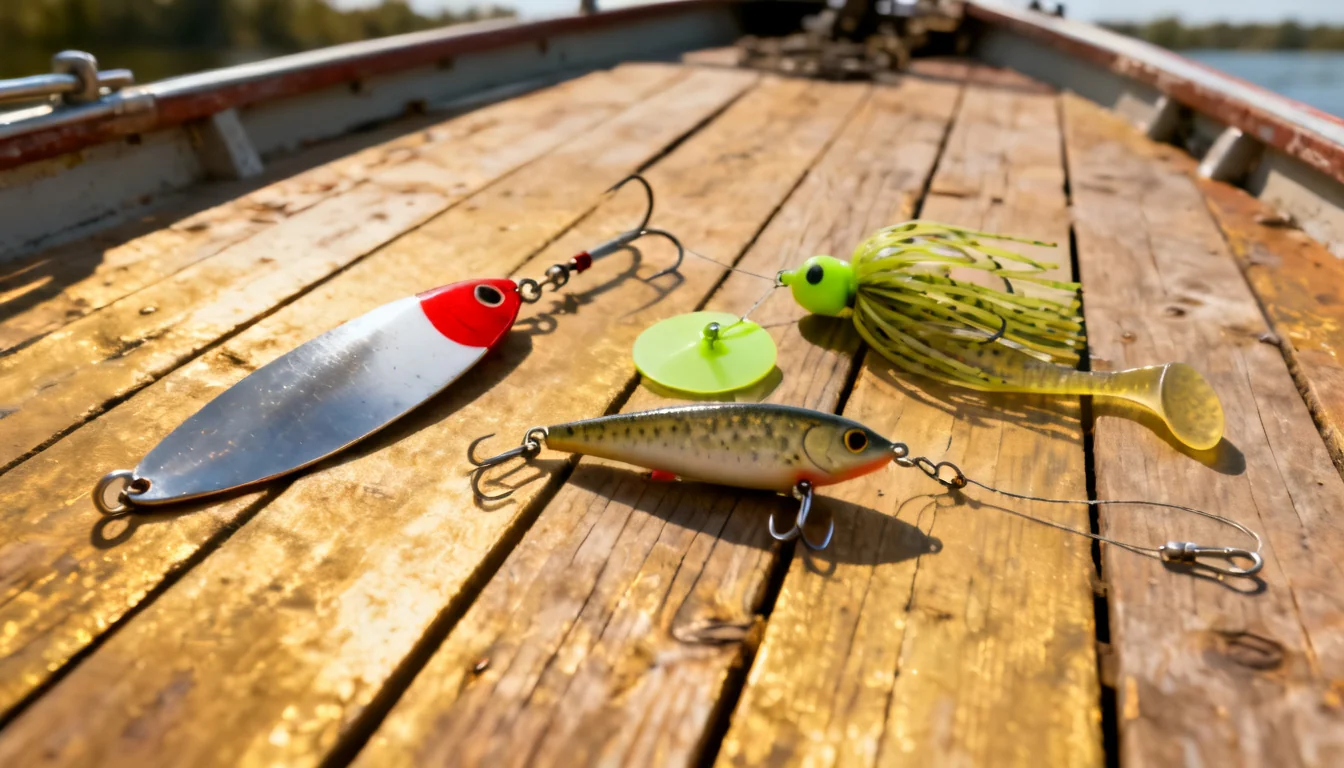
- Spoons — the classic pike bait. A large 4-6 inch spoon (think the classic red-and-white spoon) with a slow, fluttering retrieve catches pike everywhere, from shore or boat.
- Spinnerbaits — slow-rolled just over the top of weed beds, a spinnerbait triggers reaction strikes from pike lying in the grass. White and chartreuse are the proven colors.
- Jerkbaits — suspending jerkbaits (twitch, twitch, pause) are deadly in spring and fall when pike are in the shallows. The pause is when most strikes come.
- Crankbaits and swimbaits — deep-diving crankbaits for summer weedlines; paddle-tail swimbaits in 4-6 inches for big-fish presentations.
- Topwater — walking baits and weedless frogs draw explosive surface strikes, especially in the fall evening bite.
Best pike bait (live): large shiners and suckers, 6-10 inches, fished on a quick-strike rig — two hooks so the fish doesn't swallow the bait deep. Live-bait rules vary by state, so check regulations before you buy bait. Dead bait works too: a whole sucker fished on the bottom is a classic winter and early-spring offering.
Pike Fishing Leaders: Why Wire Is Non-Negotiable
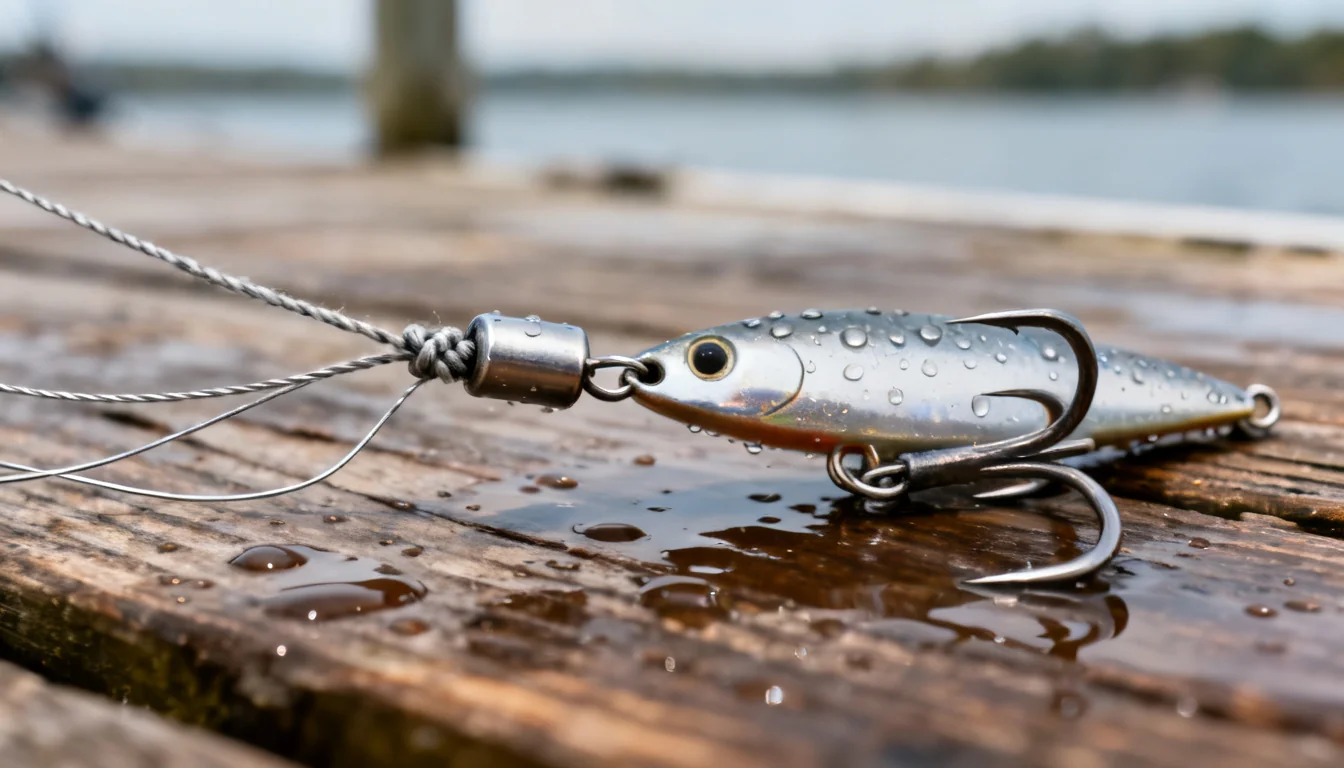
Pike fishing leaders are the difference between landing fish and watching a 40-inch pike swim away with your $12 lure. A pike's mouth is lined with hundreds of needle-sharp, backward-curving teeth — including on the roof of its mouth — and they slice through monofilament and braid like thread.
- Steel leaders: the standard. Cheap, tough, and available everywhere in 6-12 inch lengths. Use 20-40 lb test.
- Titanium leaders: more flexible and easier to tie, so lures swim more naturally. Pricier, but they don't kink.
- Heavy fluorocarbon: it resists abrasion better than mono, but a pike's teeth still cut it. Save fluoro for leaders on other species — for pike, use wire.
- Rigging: tie the leader between your main line and the lure with a small barrel swivel or snap. A snap also makes lure changes fast — you'll want that, because pike follow lures and you'll want to switch quickly.
Wire leaders do cost a little action on small lures — titanium minimizes it. For spoons and spinnerbaits, the difference is invisible; for jerkbaits, titanium is worth the money.
How to Fish for Northern Pike: Proven Tactics
Pike fishing tactics are built around covering weed edges and giving the lure a presentation a lazy ambush predator can't refuse. Here's the step-by-step:
1. Cast to cover, not to open water. Work weed lines, lily pad edges, flooded timber, docks, and river mouths. Pike sit inside the cover and watch the edge — put the lure right on the border.
2. Retrieve slow. Pike rarely chase. A slow, steady spoon or a slow-rolled spinnerbait over the weed tops draws more strikes than a fast retrieve ever will.
3. Use the jerkbait cadence. Twitch the bait twice, pause 3-5 seconds, repeat. Pike often strike during the pause — watch your line for the tick.
4. Vary the depth until you find fish. In spring that means 2-6 feet; by midsummer, work the 8-20 foot weedlines with deeper-running lures or a slow troll.
5. Troll the edges. In summer, slow-trolling a spoon or crankbait along a deep weedline covers water and finds scattered fish fast.
6. Do the figure-8. When a pike follows your lure to the boat without striking, don't lift it out — keep it moving in a figure-8 pattern in the water beside the boat. Followers often commit on the second or third pass, and it works on muskies too.
7. Set the hook with a firm sweep. Pike often hook themselves on trebles, but on the first bump, keep the rod low and sweep firmly — don't rip the bait away on a short strike; let the fish turn with it.
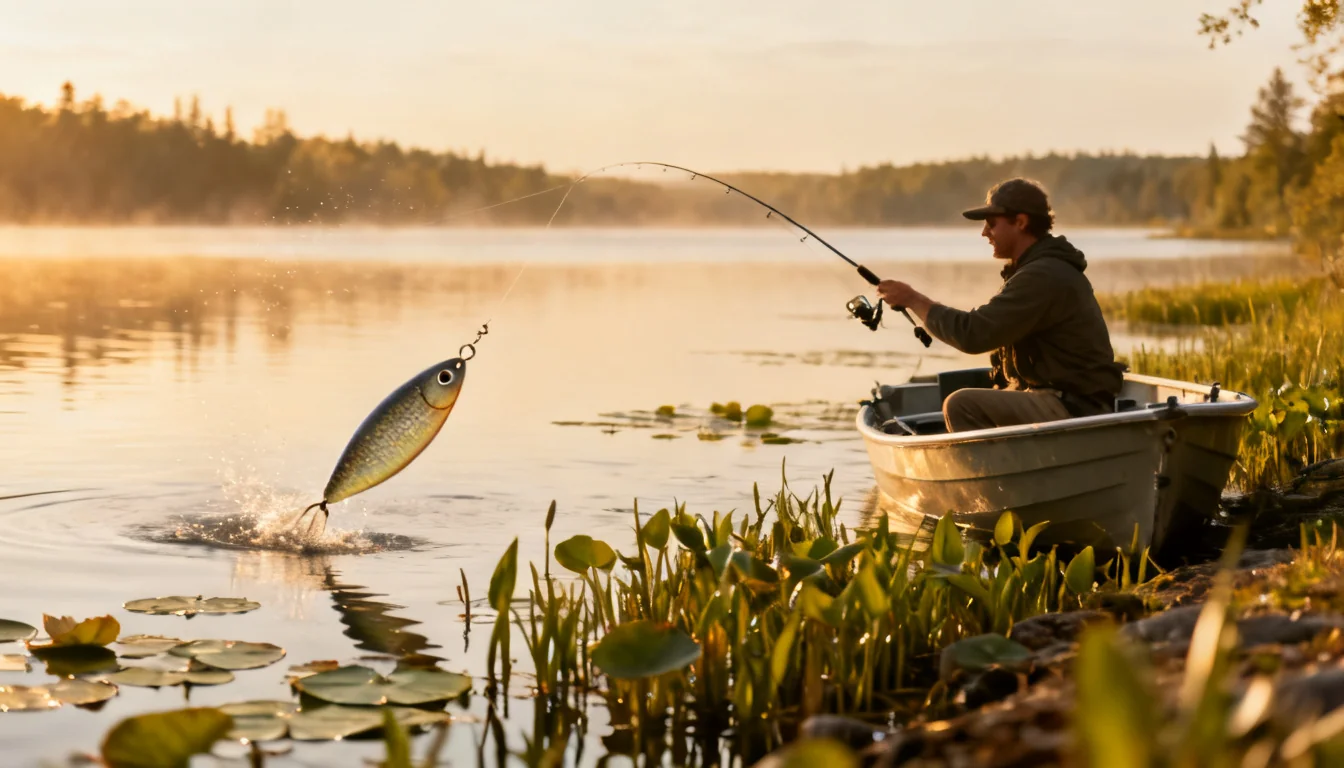
Where to Find Northern Pike
Pike location is predictable if you think like the fish: they hold where they can hide and where food swims past.
- Weed lines and lily pads — the #1 pike cover in any lake. Work the outside edge and the pockets inside the bed.
- Flooded timber and stumps — pike lie beside wood like bass do, especially in stained water.
- Points and drop-offs — where a weed flat falls into deeper water, pike patrol the edge waiting for baitfish crossing the break.
- River mouths and backwaters — warm, weedy current breaks hold pike in spring and fall.
- Docks and weed-rimmed bays — shore anglers' best spots, especially before and after the spawn.
Reading a lake's structure is a skill of its own — our guide to how to fish a lake walks through the cover types and depth breaks that hold fish in any water body.
Common Pike Fishing Mistakes (And Fixes)
1. No wire leader. The #1 pike mistake, and it costs lures all season. Tie on a 20-40 lb wire leader before you make your first cast.
2. Lures too small. A 2-inch spinner won't interest a 35-inch pike. Match the forage: 4-7 inch lures in pike country.
3. Retrieving too fast. Pike ambush; they won't chase down a speeding spoon. Slow down until you're bored, then slow down more.
4. Fishing the wrong depth. Spring pike in 3 feet of water won't rise for a lure trolled at 20. Match the depth to the season and the fish.
5. Setting the hook too early. On a short strike, pike grab the tail of the lure. Keep the bait moving through the strike, let the fish turn, then sweep — ripping it away pulls the hooks out.
6. Grabbing the fish wrong. Never lip a pike (they have teeth) and never grip the belly (internal organs). Grab firmly behind the head over the gill plate, and use pliers or a jaw spreader for hooks.
How to Catch Northern Pike FAQ
What is the best time of day for pike fishing?
Dawn and dusk are the classic windows — pike see best in low light and feed hardest then. Overcast days extend the bite through midday, and in clear lakes, summer nights produce. In cold, stained spring water, pike will hit all day long.
Can you catch northern pike from shore?
Absolutely. Spring and fall put pike in 2-6 feet of water within easy casting range of the bank. Docks, weed-rimmed bays, and river mouths are all productive shore spots — a medium-heavy spinning rod with a wire leader and a spoon covers most situations.
What size lures should I use for northern pike?
Match the local baitfish: 4-7 inch spoons, spinnerbaits, and jerkbaits are the everyday range. In lakes full of 10-inch suckers, big pike will hit lures up to 8 inches or more; in perch-heavy waters, 3-4 inch baits work better.
Do northern pike fight hard?
Yes — the fight is mostly power and head-shakes rather than jumps. A big pike makes a strong initial run, then shakes its head like a bulldog, trying to throw the hooks. Heavy braid and a stiff rod are what win that fight.
Why do pike follow lures without biting?
Pike are curious and territorial as much as they are hungry — they often trail a lure to the boat just to inspect it. Keep the bait moving in a figure-8 beside the boat and many followers will strike on the next pass. If they still refuse, change lure size, color, or speed.
Can you catch northern pike in winter?
Yes — pike are one of the most popular ice-fishing targets in the North. Tip-ups set over weedy flats and edges with large minnows or suckers account for most winter pike; they stay active under the ice and will fight hard in the cold.
The Bottom Line
How to catch northern pike in one line: fish the weed edges in spring and fall, retrieve slow, and never leave the dock without a wire leader. Big spoons, spinnerbaits, and jerkbaits cover the lures; dawn, dusk, and overcast cover the timing; and a firm hookset plus a secure grip behind the head covers the landing.
Pike are aggressive, accessible, and big enough to make any angler's season. Find the weeds, slow down, and hang on — the next cast could be the one a 40-inch water wolf crushes.